
How safe are stablecoins?
While the GENIUS Act, and maybe even more importantly EU-s MiCA regulation, have increased the security of stablecoins, how sure we can be in their safety?
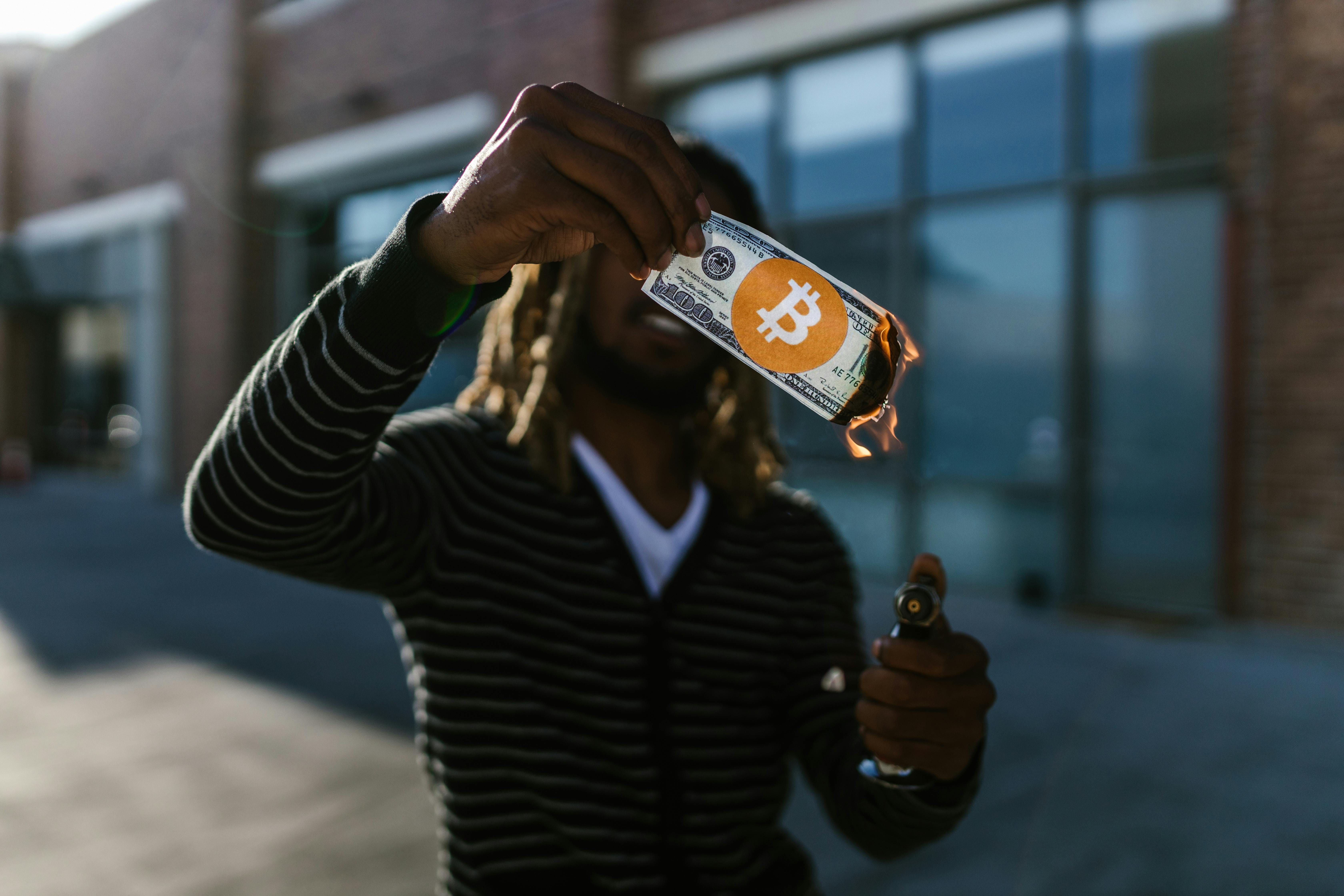
There was talk about the safety of Tether (USDT) years ago. Now other players have emerged as well and the stablecoin market is more regulated. However, it appears to still be financial nowhereland, where things are semi-regulated but also not. There is still a growing threat that one mistake can collapse the whole crypto market. What is worse, now that the crypto market is bigger and more connected to the real economy, a few mistakes could spiral and be fatal for the economy as a whole and lead to recession1. Or perhaps not. The market is much smaller than the trillions dollars of real estate debt that lead to 2008s crash.
That leads to a question - are stablecoins actually debt? The are not real dollars, neither are they guaranteed by the goverment. They are neither formally debt, but act like it economically - the holders can exchange them against dollars and issuers hold the dollars or bonds to generate returns (please read our previous post on how stablecoins are connected to dollars and bonds). It appears like an accounting loophole created by the government to fix their debt problem.
Are the exchanges that hold the stablecoins actually generating any returns when they hold the real dollars or bonds to back the coins? With dollars, not really. With T bills, the yields are marginally low so the exchanges could switch to higher return bonds instead. Which brings us to the next problem: financial repression.
Financially repressed? Issuers of the coins are forced to buy low yield assets like USD and T bills, when they could invest into higher yield assets. And when the stablecoin market grows, it’s the amount of lost revenue that also grows. Also, holders of stablecoins might not have an alternative to holding risky assets.
Even with the GENIUS Act, what it does, is add regulations on the private companies, that create the coins, but it provides zero guarantees if the companies themselves or the coins, collapse, like it happened with LUNA and TerraUSD crash in 2022. The holders bear the full responsibility of holding the bag.
Shifting the ability to govern over money can also create a parallel monetary system - goverment can lose the ability to control their own money. Businesses could prefer dealing with stablecoins against real dollars. Exchanges could control a significant part of the dollars supply and they could become alternatives to banks, being able to lend money and use their reserves to influence financial markets - without having a banking license.
Crypto USD-s that claim to not be equivalent of real dollars, can end up being real digital dollars that the government is unable to control. GENIUS Act gives them real dollar properties, basically not printing the money as a government, but giving that right, responsibility and its consequences to private companies.
While the market for stablecoins is still relatively small, these risks remain minimal. But with the market going bigger, the risks can overgrow the advantages which could force goverments to mitigate those risks. Few ways to do it might be goverment issued stablecoins, or forcing exchanges to use real dollars, which could in effect create their own set of problems. The best solution might be to have a global regulation and standars, like of which already exist for traditiona banking.
Enjoyed this article?
Subscribe to The Blockchainli on Substack to receive future posts directly in your inbox.