
Mastering the psychology of trading
Based on "Trading in the Zone" by Mark Douglas
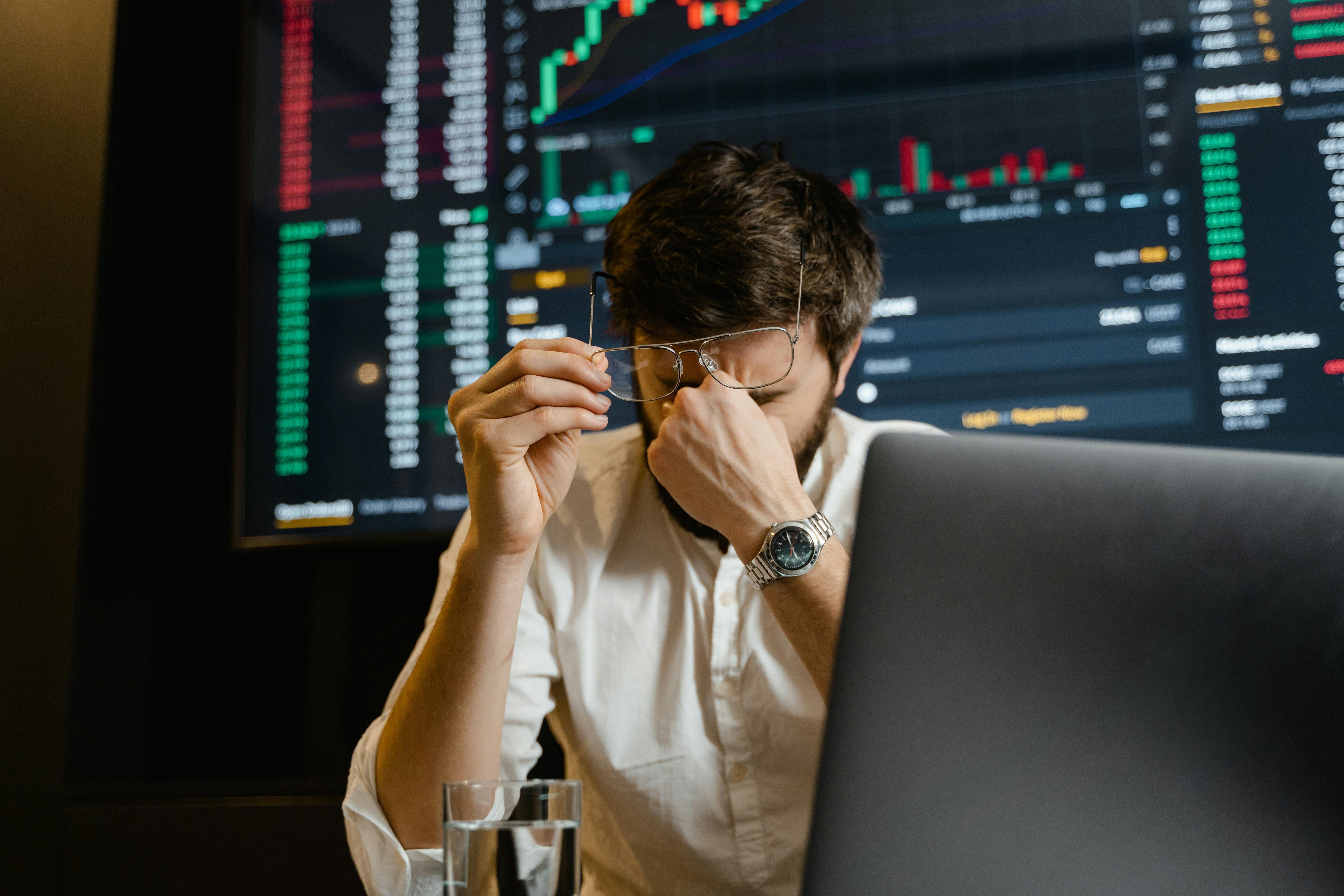
“Trading in the Zone" by Mark Douglas is one of the best books about the psychology of trading. What the book actually mentioned is that, trading is in some terms, a form of gambling. If that comes as a shocker, it’s true. You can lose all your money in a heartbeat. You can win a lot of money by a mistake. And you can fall into similar patterns or cycles like: I lost x amount, so the next round I have to make up for it.
Most traders lose money because they don’t have systems and are emotional. There are very interesting passages about how it all comes down to your own psychology - why you think you are right and what are the motivations behind that. Learning to trade is kind of like therapy - you need to work on your emotions.
Trading is also a game of statistics - in certain scenarios, you have a certain probability of win vs lose. If the odds are even slightly in your favor, over time, after repeated trades, you end up winning more than losing - or even if you lose more times, the wins will outperform the losses. You only need a few good wins to beat many small losses. Keep your losses small, exit them early, and when you win, you can win bigger.
Adapted behavior
Trading is the purest thing to do, because it's only us against the market. The book explains how we learn many behaviors as kids, to adapt to the world. We learn what is “right” or “wrong”, and we seek to always be correct, be right, and make no mistakes. In trading, we can make mistakes, but keep them small. For me, that was the biggest takeaway. Trying to be selfish will punish you. You need to get rid of your ego and make it about something else. What I heard from one video even mentioned that many people trade emotionally because of daddy/mommy issues. It is astounding how deep the rabbit hole can go.
Outside of trading, life is so much about influence and manipulation that we don’t even realize it - we do things for others, and get others to do things for us. There is always some form of power in play, in work, in relationships. Those things are removed in trading - well almost. It’s only us against the market. Sure, we can see some clues about where things could be heading - we can observe the spread, do technical or fundamental analysis. But still, other peoples motives mostly stay hidden - until you see it in the graph. The playing field is almost even for everyone. Almost.
Why almost? There are some edges that are used by institutional traders. You can learn more about it in this video, although this is a more advanced concept.
So it’s more about emotions than intelligence. Or perhaps emotional intelligence even. We learn as kids to fit in, follow the rules, never make mistakes. We wanted to do something that seemed intuitive, but to function in a society, we need to be taught rules. But for trading, we need to unlearn many of these things. We need to learn to accept mistakes, embrace the losses we make, and learn from them. In trading we can’t always be right and win every time.
Maybe lets not delve into if the way we are raised or the way society functions is fundamentally wrong. I’m not suggesting anarchy, but even Steve Jobs said: "Everything around you that you call life was made up by people that were no smarter than you”. There are rules we must follow in society. But governments also create new rules each day, and businesses invent new products and ways of living every day. Creative thinking needs freedom of thought.
The Hollywood movies also quantify the mindset of always needing to win. Like a famous internet meme says, sometimes lose, always win. We seek approval from others, and if we lose, we are dumb and don’t know what we are doing. But losing is part of trading. Every great trader has learned a lot from losing. Nobody will learn to win, if they haven’t learned to lose first.
There’s so many parts of ourselves that are just adapted behaviors, things we have picked up on others. Avoiding mistakes, seeking approval and fearing uncertainty are the enemies of trading. These beliefs can be subconscious beliefs that we act upon. One can notice these habits after becoming self aware enough to understand, what causes them to act the way they do. Before taking each trade, analyze the market, but also yourself: why am I taking this trade? What are the statistical odds, not your feelings?
We must also have to know how we perceive ourselves, and how we think others perceive us. Do you have a positive or negative self image? Do you think you don’t deserve money or do you set any limits to yourself about it?
It’s said that on average we can have over 80% negative thoughts per day. This was a huge factor for me. I let go of how I thought (key focus on “thought”) others felt about me and what I thought was true about myself. I considered myself intelligent and needing to prove myself, but I was also afraid to be seen as a loser. There is no need to worry about that, it’s just you and the market. After a while, you will become successful if you put in the work and are patient.
The easiest way to trade is follow a tested strategy.
Journal
Write down what works, what doesn’t. Test small trades with small amounts, and create a system that works. For the trades that work, go bigger.
What to avoid:
Revenge trading - don’t go into trading with loser mindset, thinking like “I lost the last trade, now I have to win” will almost guarantee failure.
Trade emotionally - follow a plan, try to keep emotions out. This is why automated trading bots are effective - they keep the emotions out. Don’t just open the trading app and randomly make a trade based on a hunch.
Don’t trade to trade - better to have quality trades than high quantity of trades, that are not calculated.
Don’t use leverage - or maybe just 2x if you know what you are doing. It’s hard to cover the stops and the danger or margin call is big. As Warren Buffer said, there are 3 dangers in life to avoid: liqueur, ladies, and leverage. If you borrow money (leverage) to buy drinks (liqueur) to both yourself and a girl (ladies) you're not just taking a risk — you're creating your own 2008 financial crisis at a nightclub. And maybe some extra therapy bills. Although the odds of success are much higher than trying to do something similar in trading.
Do:
Your homework - create a system, or borrow a system from someone else that works.
Use stops - set stop loss that is below your opening price to catch false moves. When the price goes up, you can move the stop closer to the entry price. Test to find optimal sweetspot.
Set risk/reward ratio - either 2:3, 1:2, 1:3, meaning if you risk $100, you seek to gain $200 in return.
Position sizing - never risk the whole account, stick to 1-2% of your account for one trade.
Test different combinations of stops, risk/reward, timeframes, different strategies.
Have a trading strategy - there are different ones, plenty of resources online about strategies. People use either technical or fundamental analysis as a strategy. Don’t just copy/paste a strategy, test it, adjust it, improve it. Make it yours.
Conclusion
The book teaches us two major things: 1) don’t rely on yourself and your emotions, 2) rely on tested systems instead. The is the second biggest takeaway: have a system. That consists of having the right strategies, and the right mechanics like risk/reward ratio, using stops, position sizing, etc.
The right way to trade, is to have a system. It’s not a magical ability that you are born with, a lucky hand. Trading is a game of many small edges compounding over time.
Enjoyed this article?
Subscribe to The Blockchainli on Substack to receive future posts directly in your inbox.