
Stablecoins: the genius way out for U.S. debt problems?
The U.S. national debt grew by approximately $2.3 trillion in fiscal year 2024. Is the GENIUS Act a way out?

Stablecoins, which are crypto versions US dollars like USDT and USDC, are more than just cryptocurrencies. They are now required to be backed by real dollars (or types of goverment bonds). Also, because they are on blockchains, they can make transfers faster and borderless. In many countries where buying dollar is more limited, it is bought as hedge against the local currency. But they also could act as a solution to decades if not centuries-long problem of ever-growing debt. Is it just a quick fix or a more permanent solution?
By law, most stablecoins must be backed by cash or ultra-safe U.S. government securities, mainly T-bills (treasury bills, aka short term government debt bills). Every new stablecoin needs to be secured by the same amount of dollars or Treasury Bills. That happened with the GENIUS Act. Before that, there were no formal federal laws to guarantee the stability of the stablecoins. USDT, the biggest one by market cap, claimed to be 74% covered by cash or equivalents.
If you want to learn more about how debt and economic cycles work, there is an excellent video by Ray Dalio.
Requiring stablecoins to be covered by T-bills creates demand for buying government debt. Currently, stablecoins market amounts to around $300 billion. It’s a small fraction of total debt (currently $37 trillion), but a significant size of short-term Treasuries and of the $2.3 trillion debt increase last year. If stablecoin market will reach 2 trillion by 2028, it could cover huge amount of the growing debt, helping keep the total debt at current levels and not increase it significantly.1
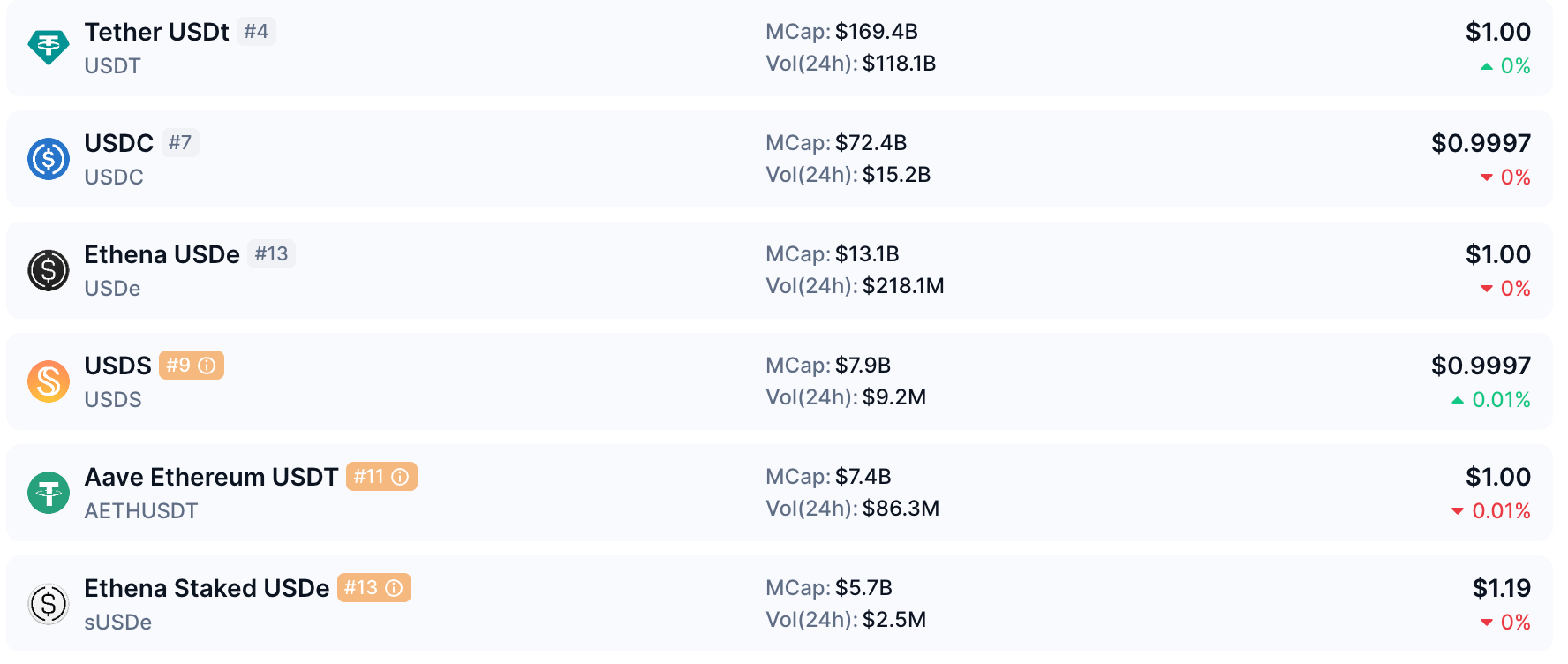
Stablecoins will not be a way for the US government to print digital dollars instead of paper ones, because it doesn’t need to. Instead it can use the existing system to boost and keep dollar’s dominance. As crypto gains a stronger foothold in the US and world economy, having stablecoins connected to the debt is a rather genius act indeed. Major US banks have already adapted Bitcoin into their products and stablecoins could become a major contributor to debt management and therefore, the whole economic model.
Russian propaganda has targeted the act by claiming the US will be able to hide all of its $37 trillion debt into stablecoins, which could sound real enough to someone not understanding economics well, which is most people. However it’s simply not how the system works.
But what about regulations? Are the stablecoins safe, considering neither governments, the FED or even major banks are not the ones issuing such coins, but private companies. Currently, the requirement is that they need to be backed by cash or equivalent, yet the responsibility lies on the companies itself - which can crash. There are many risks and while the Act is good in theory, it’s not a complete system that guarantees 100% stability of those assets.
https://www.mckinsey.com/industries/financial-services/our-insights/the-stable-door-opens-how-tokenized-cash-enables-next-gen-payments
Enjoyed this article?
Subscribe to The Blockchainli on Substack to receive future posts directly in your inbox.